Friday, July 26, 2013


Cattle Egret

It is a white bird adorned with buff plumes in the breeding season. It nests in colonies, usually near bodies of water and often with other wading birds. The nest is a platform of sticks in trees or shrubs. Cattle Egrets exploit drier and open habitats more than other heron species. Their feeding habitats include seasonally inundated grasslands, pastures, farmlands, wetlands and rice paddies. They often accompany cattle or other large mammals, catching insect and small vertebrate prey disturbed by these animals. Some populations of the Cattle Egret are migratory and others show post-breeding dispersal.
The adult Cattle Egret has few predators, but birds or mammals may raid its nests, and chicks may be lost to starvation, calcium deficiency or disturbance from other large birds. This species maintains a special relationship with cattle, which extends to other large grazing mammals. The cattle egret removes ticks and flies from cattle and consumes them. This benefits both species, but it has been implicated in the spread of tick-borne animal diseases.
Feb 2012 Via Shimoga to Bangalore
Thursday, July 25, 2013
Double-crested Cormorant (Phalacrocorax auritus)

The Double-crested Cormorant is found near rivers, lakes and along the coastline. It mainly eats fish and hunts by swimming and diving. Its feathers, like those of all cormorants, are not waterproof and it must spend time drying them out after spending time in the water. Once threatened by use of DDT, the numbers of this bird have increased markedly in recent years.
Spot Billed Pelican/Grey Pelican

The Spot-billed Pelican or Grey Pelican is a member of the pelican family. It breeds in southern Asia from southern Pakistan across India east to Indonesia. It is a bird of large inland and coastal waters, especially large lakes.
Scientific name: Pelecanus philippensis
Rank: Species
Higher classification: Pelican
Monday, July 22, 2013
Red-whiskered Bulbul
The Red-whiskered Bulbul (Pycnonotus jocosus) is a passerine bird found in Asia. It is a member of the bulbul family. It is a resident frugivore found mainly in tropical Asia. It has been introduced in many tropical areas of the world where populations have established themselves. It feeds on fruits and small insects and they conspicuously perch on trees and their calls are a loud three or four note call. The distinctive crest and the red-vent and whiskers makes them easy to identify. They are very common in hill forests and urban gardens within its range.


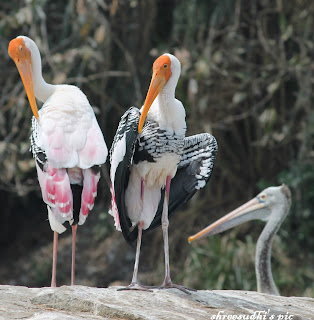
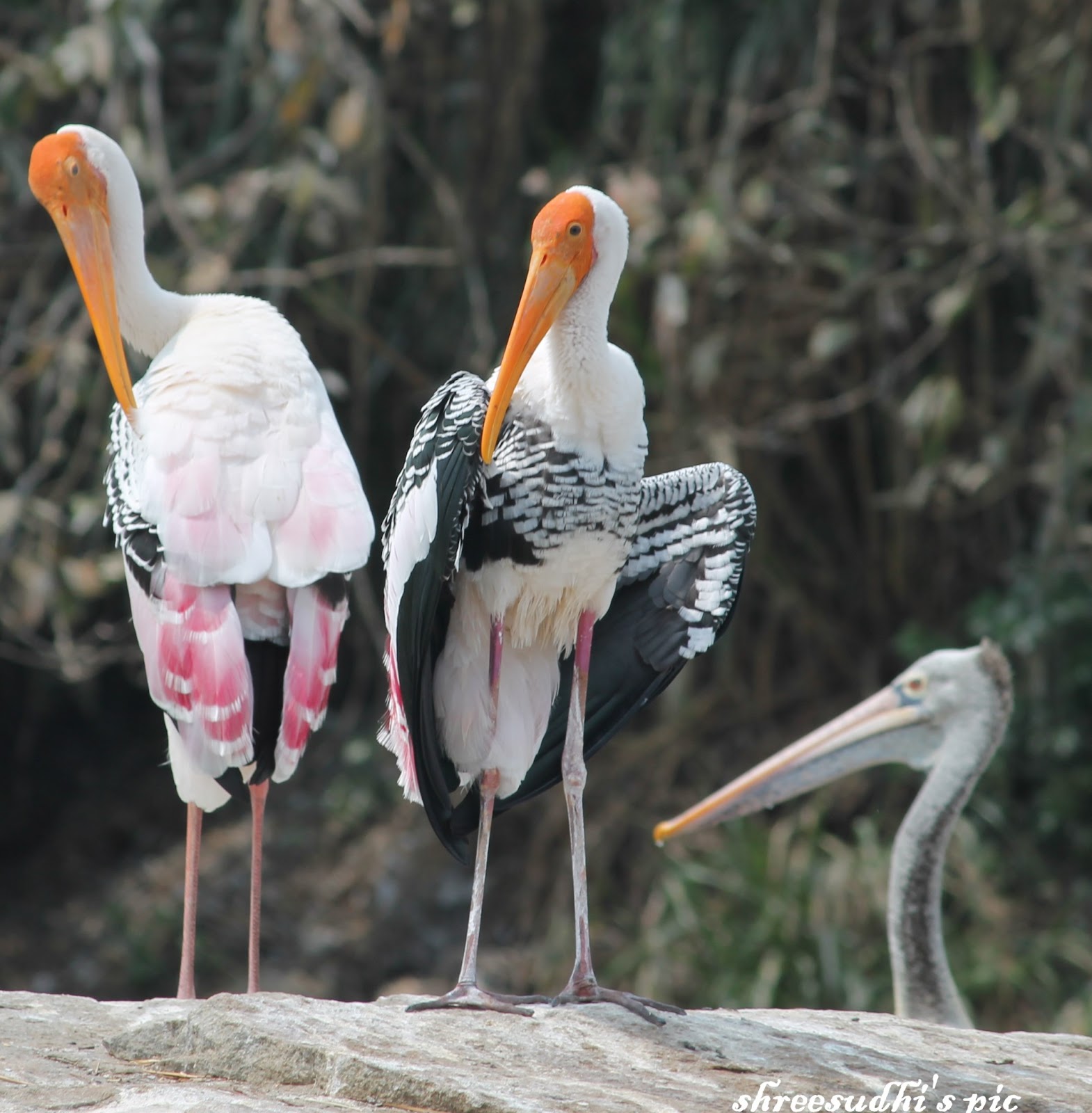
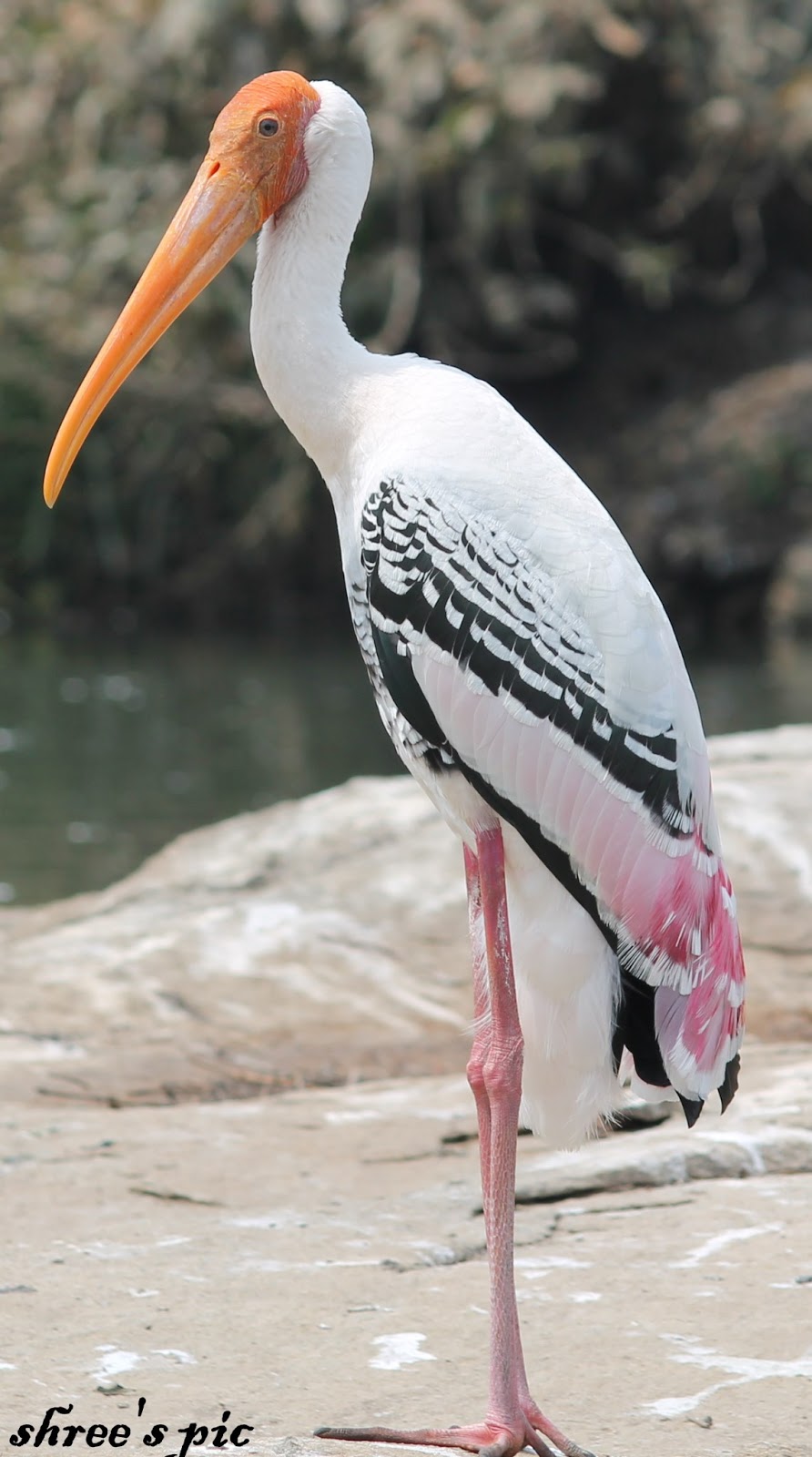
Painted Stork
The Painted Stork is a large wading bird in the stork family. It is found in the wetlands of the plains of tropical Asia south of the Himalayas in the Indian Subcontinent and extending into Southeast Asia. Wikipedia
Scientific name: Mycteria leucocephala
Rank: Species
Higher classification: Mycteria




Sunday, July 21, 2013
White Eye


The white-eyes are small passerine birds native to tropical, subtropical and temperate Sub-Saharan Africa, southern and eastern Asia, and Australasia. White-eyes inhabit most tropical islands in the Indian Ocean, the western Pacific Ocean, and the Gulf of Guinea. Discounting some widespread members of the genus Zosterops, most species are endemic to single islands or archipelagos. The Silvereye, Zosterops lateralis, naturally colonised New Zealand, where it is known as the "Wax-eye" or Tauhau ("stranger"), from 1855. The Silvereye has also been introduced to the Society Islands in French Polynesia, while the Japanese White-eye has been introduced to Hawaii.
Subscribe to:
Posts (Atom)